
The Six Sigma DMAIC Process is a structured framework for enhancing employee engagement and driving business success through continuous improvement. It involves five phases: Define (set clear goals), Measure (establish KPIs & analyze data), Analyze (identify root causes), Improve (implement solutions), and Control (monitor & standardize). This process revolutionizes engagement strategies by empowering employees, fostering data-driven insights, and creating a culture of continuous learning and ownership.
In today’s competitive business landscape, employee engagement is a key driver of organizational success. However, maintaining high levels of engagement can be challenging, with factors like boredom, disinterest, and lack of recognition contributing to low morale and productivity. To address this, Six Sigma offers a powerful framework through its DMAIC Process—Define, Measure, Analyze, Improve, Control—to enhance employee engagement. By focusing on identifying root causes, implementing targeted solutions, and continuously monitoring progress, organizations can foster a more motivated and committed workforce. In this article, we delve into the specifics of leveraging Six Sigma DMAIC to cultivate a culture of high engagement among employees.
- Understanding Six Sigma DMAIC Process for Engagement
- Implementing Data-Driven Strategies to Boost Employee Morale
- Continuous Improvement: Fostering a Culture of Involvement
Understanding Six Sigma DMAIC Process for Engagement

Six Sigma DMAIC Process serves as a powerful framework for enhancing employee engagement, fostering a culture of continuous improvement, and driving business success. At its core, this methodology focuses on identifying and eliminating defects, reducing variability, and improving processes. By aligning the DMAIC (Define, Measure, Analyze, Improve, Control) cycle with organizational strategy, companies can create more meaningful and impactful engagement initiatives.
Understanding each phase of the DMAIC process is crucial for effective implementation. The Define stage involves setting clear goals and objectives, including defining the target for the project. This step requires engaging stakeholders to ensure alignment with business priorities and strategic direction. For instance, a company aiming to improve employee retention might define its target as reducing voluntary turnover by 20% within a year. Next, in the Measure phase, key performance indicators (KPIs) are established and historical data is analyzed to create a baseline for improvement. KPI examples for Six Sigma projects include engagement scores, productivity metrics, or time-to-resolution rates.
Moving forward to Analyze, data and trends are scrutinized to identify root causes of issues. Tools such as fishbone diagrams or pareto charts can be employed to analyze the factors affecting employee engagement. This in-depth analysis is vital for making informed decisions during the Improve phase, where innovative solutions are implemented. Successful projects often involve process reengineering, introducing new tools, or enhancing communication channels. Finally, the Control step ensures sustainability by establishing monitoring systems and standard operating procedures. Companies may implement feedback mechanisms to continuously gauge employee satisfaction and make adjustments as needed.
To maximize DMAIC certification benefits, organizations should prioritize integrating these steps seamlessly into their business operations. Give us a call to learn more about how the Six Sigma DMAIC Process can revolutionize your engagement strategies.
Implementing Data-Driven Strategies to Boost Employee Morale
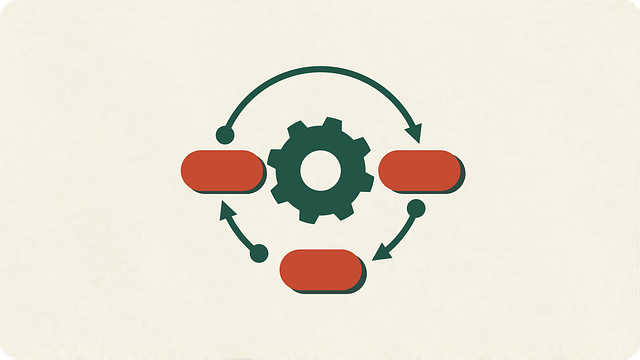
Improving employee engagement through data-driven strategies is a powerful approach to enhancing overall morale and productivity within an organization. Six Sigma offers a structured framework, particularly through its DMAIC (Define, Measure, Analyze, Improve, Control) process, which can be instrumental in this regard. By employing a data-centric mindset, companies can uncover root causes of employee dissatisfaction and implement targeted solutions that foster a positive work environment.
The first step, Define, involves clearly articulating the engagement goals and understanding the current state of employee satisfaction. Here, conducting a 5 Whys analysis—a fundamental problem-solving technique within Six Sigma—can help identify key factors influencing morale. For instance, if low morale is observed, the 5 Whys process encourages digging deeper to uncover the root cause, whether it’s lack of recognition, poor communication, or inadequate work-life balance. This qualitative data collection method provides valuable insights that can guide subsequent actions.
In the Measure phase, quantitative data is gathered to assess employee engagement levels and track progress over time. Various surveys, feedback mechanisms, and performance metrics can be utilized to gain a comprehensive view of current morale. For example, an organization might employ anonymous employee satisfaction surveys with set parameters aligned to the Six Sigma DMAIC process. This data serves as a baseline for comparison during subsequent improvement phases.
Once the analysis phase is reached, the focus shifts to interpreting the collected information. Identifying trends and patterns reveals specific areas requiring attention. Here’s where problem-solving techniques, such as root cause analysis (RCA) and statistical tools, come into play. For instance, if data suggests a correlation between high workload and increased stress levels, an RCA can help pinpoint specific processes or factors contributing to this issue. This deep dive into the ‘why’ behind the data enables effective and targeted interventions.
Continuous Improvement: Fostering a Culture of Involvement

Employee engagement is a critical aspect of any successful organization, and Six Sigma offers a robust framework to enhance this through its DMAIC process. Continuous improvement, a cornerstone of Six Sigma, fosters an environment where every employee is encouraged to participate in identifying and solving problems. This section delves into how the DMAIC methodology can drive cultural transformation by empowering employees to take ownership of their work and contribute to organizational success.
The key lies in involving employees at every stage of the DMAIC project—Define, Measure, Analyze, Improve, Control (DMAIC). Firstly, defining the project scope and objectives should include gathering insights from the workforce. For instance, asking front-line employees about customer pain points can reveal unique perspectives that might be overlooked by management. This not only improves the relevance of the project but also instills a sense of ownership among staff. KPI examples for Six Sigma projects could include employee satisfaction scores, reduction in defect rates, or increased productivity. Setting clear, measurable goals ensures everyone understands their role in driving continuous improvement.
During the Analyze phase, resolving issues requires active participation from employees who are closest to the process. They can offer valuable insights on root causes that may not be immediately apparent to external consultants or management. For instance, a thorough analysis of customer feedback might uncover specific product features that require enhancement. Engaging employees in this critical phase fosters a culture of involvement and encourages them to become active contributors to problem-solving.
Successful DMAIC rollouts have several common threads. Firstly, effective communication is vital; keeping everyone informed about project progress and decisions ensures buy-in from all levels. Secondly, cross-functional teams should be formed, drawing expertise from various departments to benefit from diverse perspectives. Lastly, regular training sessions can help employees understand the Six Sigma methodology and their role within it. For instance, teaching them statistical process control (SPC) techniques enables them to monitor processes continuously, identifying variances that may require improvement.
When challenges arise during a DMAIC project—and they inevitably will—a structured approach is crucial. Issues could range from data inconsistencies to resistance from certain departments. A systematic method for resolving these involves root cause analysis, where employees actively participate in understanding and addressing the fundamental problems. For example, if a process is taking longer than expected, breaking down the process into smaller components can help identify bottlenecks, enabling targeted improvements.
Understanding customer needs is paramount in DMAIC, especially when defining the project scope. “Find us at understanding customer needs” should be a guiding principle throughout the initiative. Engaging with customers directly through surveys, focus groups, or feedback sessions provides valuable insights that drive process enhancements aligned with their expectations. This not only improves customer satisfaction but also ensures Six Sigma projects are relevant and impactful.
By implementing the Six Sigma DMAIC Process, organizations can effectively navigate the path to enhanced employee engagement. Understanding this structured approach allows businesses to systematically analyze and improve work environments. Key insights include leveraging data-driven strategies to elevate employee morale by identifying and addressing root causes of dissatisfaction. Continuous improvement initiatives foster a culture of involvement where employees actively contribute to organizational growth. In summary, the Six Sigma DMAIC Process serves as a powerful tool for creating a positive, engaged workforce, ultimately driving business success.