
The Six Sigma DMAIC Process emphasizes defining project scope, setting SMART goals through 5 Whys analysis, optimizing workflows, and leveraging statistical tools for data collection and analysis. It involves five phases: Define, Measure, Analyze, Improve, Control (DMAIC). Integrating Lean techniques enhances efficiency by combining structured problem-solving with operational excellence. Quality Control and Validation ensure sustainable outcomes through KPI setting and iterative solution testing. The process drives operational efficiency, customer satisfaction, and continuous improvement.
In the dynamic landscape of project management, efficient and effective strategies are paramount to success. The Six Sigma DMAIC process stands as a proven methodology for optimizing projects and driving outcomes. However, implementing best practices within DMAIC can be challenging, especially in complex environments. This article delves into the core principles and advanced techniques that underpin successful DMAIC applications. By exploring data-driven approaches, structured problem-solving frameworks, and team collaboration strategies, we aim to equip readers with the expertise needed to master this powerful tool, ensuring project success and delivering tangible value.
- Defining Project Scope: Setting Clear Goals in Six Sigma DMAIC Process
- Data Collection & Analysis: Unlocking Insights for Effective Decisions
- Process Improvement: Implementing Lean Techniques Within DMAIC Framework
- Quality Control & Validation: Ensuring Results Sustainability in DMAIC Projects
Defining Project Scope: Setting Clear Goals in Six Sigma DMAIC Process
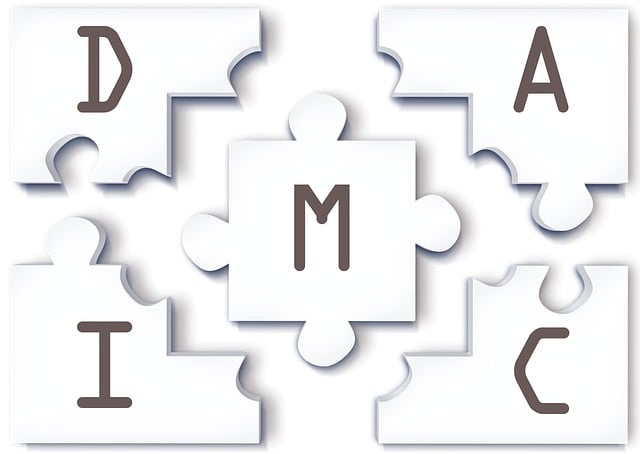
Defining project scope and setting clear goals are critical steps in the Six Sigma DMAIC process, serving as a foundational stone for successful project execution. The initial phase of Define involves clearly articulating what is within, and outside, the project’s purview. This isn’t merely about identifying tasks; it’s about understanding the problem space intimately, encompassing all relevant processes, stakeholders, and potential influences that could impact outcomes. For instance, in a manufacturing context, a project aimed at reducing defects might encompass not just the assembly line but also supplier quality control, inventory management, and employee training – each interconnected element playing a role in achieving the goal.
Setting clear goals within DMAIC is guided by the powerful tool of 5 Whys analysis. This technique encourages digging deeper into the root causes of problems by asking “why” repeatedly until a fundamental cause is uncovered. For example, if the goal is to reduce cycle time for a specific process, a 5 Whys analysis might reveal that bottlenecks are caused not just by inefficient workflow but by a lack of standardized procedures and inadequate training, pointing towards optimization opportunities in both areas. This data-driven approach ensures goals are SMART (Specific, Measurable, Achievable, Relevant, Time-bound), aligning with the rigorous standards of Six Sigma DMAIC training.
Optimizing work processes using DMAIC involves a systematic breakdown of existing workflows. By analyzing current state processes and identifying variances, project teams can pinpoint inefficiencies and implement improvements. This is where the expertise of experienced facilitators comes into play, guiding teams through the intricacies of each DMAIC phase. For instance, find us at phases of a successful DMAIC rollout to witness how well-structured training sessions facilitate knowledge transfer, empower teams with problem-solving tools like statistical analysis and process mapping, and ultimately drive sustainable improvements in performance.
In conclusion, defining project scope and setting precise goals are essential for navigating the complex landscape of process improvement. Through meticulous planning, leveraging tools like 5 Whys analysis, and adhering to best practices during DMAIC training, organizations can ensure their projects not only meet but exceed expectations, leading to enhanced operational efficiency and customer satisfaction.
Data Collection & Analysis: Unlocking Insights for Effective Decisions

Data Collection & Analysis is a critical phase within the Six Sigma DMAIC process, enabling project managers to uncover actionable insights for informed decision-making. This step involves meticulously gathering, organizing, and interpreting data to identify root causes of problems and drive significant improvements. By establishing robust control mechanisms, teams can ensure the accuracy and reliability of their findings throughout the DMAIC cycle.
Expert project managers understand that effective data collection strategies are essential to achieving successful outcomes. This includes selecting appropriate measurement tools, defining key performance indicators (KPIs), and collecting data from various sources within the organization. Once the data is gathered, advanced statistical techniques come into play during the analysis phase. These methods help uncover patterns, trends, and correlations that might not be immediately apparent. For instance, using statistical process control charts can reveal variability in processes over time, allowing teams to pinpoint areas requiring improvement.
Implementing DMAIC in business requires a structured approach. Project managers should begin by defining the problem statement and establishing clear goals. Subsequently, they must collect and analyze data to gain a deep understanding of the current state. This is where the difference between Six Sigma and DMAIC becomes evident; while Six Sigma primarily focuses on reducing defects and improving quality, DMAIC takes a more comprehensive approach, addressing problems through define, measure, analyze, improve, and control (DMAIC) phases. After data collection and analysis, the ‘Improve’ phase kicks in, where innovative solutions are developed and tested. This is an iterative process that ensures any changes implemented are sustainable and aligned with business goals.
To enhance your understanding and skills in this domain, consider enrolling in a comprehensive DMAIC course. Moreover, creating customer value maps can be a powerful tool for aligning project outcomes with customer needs. By integrating data-driven insights throughout the DMAIC process, project managers can deliver transformative results that create significant value for customers and drive business success. Remember, successful project management within the Six Sigma DMAIC framework requires meticulous data handling and insightful analysis to unlock true potential.
Process Improvement: Implementing Lean Techniques Within DMAIC Framework

In the realm of project management, especially within the framework of Six Sigma DMAIC Process, process improvement through Lean techniques offers a powerful tool for organizations aiming to enhance efficiency and reduce waste. This approach blends the structured problem-solving methodology of DMAIC with the operational excellence principles of Lean, resulting in significant benefits across various industries. When implementing Lean within a DMAIC project, teams should focus on differentiating between qualitative and quantitative data to gain deeper insights into process bottlenecks. Qualitative data, such as employee feedback and observation notes, provides contextual understanding, while quantitative data offers measurable trends and patterns, enabling informed decision-making.
Building an effective DMAIC team is paramount for successful Lean implementation. Each role within the team, from project managers to statisticians and process engineers, plays a crucial part in driving project outcomes. Effective time management becomes even more critical when leveraging Lean techniques, as it demands a meticulous balance between analyzing data, implementing improvements, and monitoring results. A well-structured project plan, with clear milestones and deadlines, ensures the team stays on track without sacrificing quality or creativity.
At DMAIC methodology explained, the key lies in fostering collaboration, adaptability, and continuous learning. Give us a call to discuss how these principles can be tailored to your organization’s unique needs. For instance, consider a manufacturing company aiming to reduce production time. By combining DMAIC’s defined phases—Define, Measure, Analyze, Improve, Control (DMAIC)—with Lean tools like value stream mapping and kaizen events, they can identify non-value-added steps, streamline processes, and achieve remarkable time savings. This synergistic approach not only enhances productivity but also cultivates a culture of continuous improvement within the organization.
Quality Control & Validation: Ensuring Results Sustainability in DMAIC Projects

Quality Control and Validation are critical components of the Six Sigma DMAIC (Define, Measure, Analyze, Improve, Control) process, ensuring that the project’s results are sustainable and impactful. This stage involves establishing robust metrics through setting key performance indicators (KPIs) tailored to the project goals. By defining measurable KPIs, teams can objectively assess the success of their improvements, providing a clear roadmap for future reference. For instance, in a recent manufacturing implementation, a company set a KPI of reducing product defects below 2%—a significant improvement from the initial 10%. This specific goal guided their problem-solving techniques during the Analyze and Improve phases, allowing them to implement targeted changes.
The Measure phase serves as the foundation for effective quality control. Data collection and analysis enable project managers to identify process variations and potential sources of defects or inefficiencies. Online root cause analysis training equips teams with powerful tools to interpret data accurately. For example, pareto charts and fishbone diagrams are valuable visual aids that help uncover underlying causes. Once identified, these root causes can be addressed systematically during the Improve phase, leading to sustainable solutions.
Validating process improvements is essential to guarantee long-term success. This involves thorough testing and feedback mechanisms to ensure the new processes meet or exceed expected quality standards. It also includes training end-users in problem-solving techniques specific to Six Sigma DMAIC. By empowering employees with these skills, organizations foster a culture of continuous improvement, enabling them to quickly address any deviations from the established KPIs. For instance, a retail company conducted post-implementation reviews every quarter, collecting feedback from staff and customers, which allowed them to fine-tune their improvements over time.
In summary, quality control and validation are integral parts of the DMAIC process, requiring meticulous planning, data-driven analysis, and continuous engagement. By setting KPIs, employing root cause analysis, and validating improvements, organizations can ensure that Six Sigma projects deliver sustainable results, enhance customer satisfaction, and drive operational excellence. For a more detailed understanding and expert guidance on these practices, give us a call at define DMAIC process Six Sigma.
By embracing a structured approach like the Six Sigma DMAIC Process, project managers can effectively navigate complex projects. Defining clear goals and scope sets the foundation, guiding data-driven decisions through robust collection and analysis. Implementing Lean techniques for process improvement ensures efficiency and streamlines operations within the DMAIC framework. Quality control and validation ensure sustainability, fostering a culture of continuous enhancement. These best practices empower teams to deliver high-quality outcomes, making the Six Sigma DMAIC Process an invaluable tool for managing projects with precision and success.