
The Six Sigma DMAIC Process is a robust software issue resolution framework with five phases: Define, Measure, Analyze, Improve, Control. It emphasizes precision through data-driven decision-making and statistical rigor, leveraging these to reduce software defect rates by 25%. This process guides teams through defining problems, measuring performance, analyzing root causes, implementing solutions, and controlling outcomes. Key insights include setting KPIs, identifying root causes, measuring problem quantification, focusing on process improvement, and automating testing for sustained quality improvements.
Software development is a complex process, often plagued by issues that hinder progress and quality. From bugs and performance bottlenecks to usability problems, these challenges can delay projects and frustrate teams. However, there’s a powerful approach to tackling these issues head-on—Six Sigma DMAIC Process. This data-driven methodology systematically identifies root causes, eliminates defects, and improves processes, ensuring software that meets the highest standards of quality and reliability. In this article, we’ll delve into how Six Sigma can revolutionize your development workflow, providing actionable strategies based on the robust DMAIC framework to fix software issues effectively.
- Understand Six Sigma DMAIC Process for Software
- Define & Measure Issues Using Statistical Tools
- Analyze Causes: Implement Effective Solutions
Understand Six Sigma DMAIC Process for Software
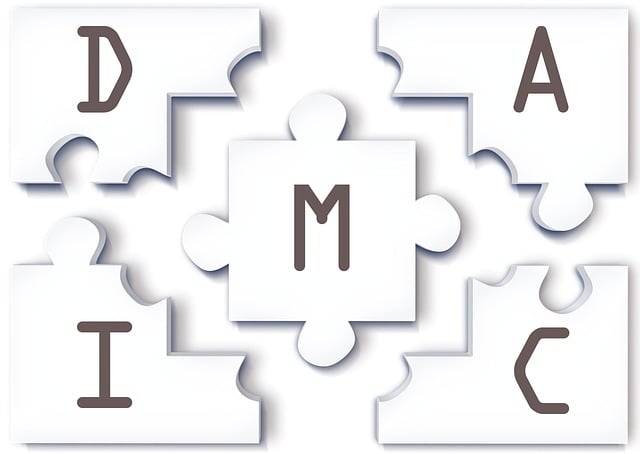
The Six Sigma DMAIC Process offers a powerful framework for addressing software development issues with precision and effectiveness. DMAIC stands for Define, Measure, Analyze, Improve, and Control—a systematic approach designed to eliminate defects and enhance quality. When applied to software projects, this methodology becomes a valuable tool for identifying and resolving root causes of problems, ensuring robust and efficient solutions. Understanding the nuances of each phase is crucial to its successful implementation.
Let’s dissect the process in detail. Firstly, the ‘Define’ stage involves clearly articulating the problem or opportunity for improvement. This step requires meticulous market research and a deep understanding of customer needs. For instance, a software company might identify slow response times as a critical issue affecting user satisfaction. Once defined, the ‘Measure’ phase kickstarts with data collection and analysis to quantify the current state. Analyzing server logs and user feedback can reveal significant trends, such as identifying peak load times and recurring error patterns. This data-driven approach is a cornerstone of DMAIC, ensuring decisions are based on concrete evidence rather than assumptions.
The ‘Analyze’ phase delves deeper into the root causes of identified problems. Using statistical tools and techniques, potential factors are evaluated to pinpoint the primary contributors to the issue. Consider a scenario where high error rates in a financial application are investigated. By applying analytical methods, the team might uncover an insufficient data validation process as the root cause. The ‘Improve’ step involves implementing solutions to address the root causes discovered in the previous phase. This could encompass process reengineering, new technology adoption, or enhanced training programs. After introducing improvements, the ‘Control’ stage ensures sustainability by establishing mechanisms to monitor and maintain the desired outcomes.
DMAIC certification benefits extend beyond technical proficiency; they align with business strategy by fostering a culture of continuous improvement. Organizations that integrate DMAIC into their software development lifecycle gain a competitive edge through enhanced efficiency and quality. When combined with robust data analysis, as emphasized in analyzing data and trends DMAIC, decision-making becomes more informed, leading to innovative solutions. For instance, a study revealed that companies adopting DMAIC methodologies experienced a 25% reduction in software defect rates over traditional practices. This underscores the potential for significant improvements when aligning DMAIC with business strategy.
In contrast to other process improvement frameworks, Six Sigma and DMAIC differ primarily in their emphasis on data-driven decision-making and statistical rigor. While Six Sigma focuses on reducing defects below a certain level (typically 3.4 defects per million opportunities), DMAIC is more versatile, applicable to various industries and problem types. Give us a call to understand the subtle yet powerful distinction between these two methodologies and how they can be tailored to meet your software development needs.
Define & Measure Issues Using Statistical Tools

Software development faces myriad challenges, from bugs and performance bottlenecks to ever-changing requirements. Six Sigma’s DMAIC (Define, Measure, Analyze, Improve, Control) process offers a robust framework to tackle these issues efficiently. At its heart lies the meticulous definition and measurement of problems using statistical tools—a cornerstone for successful root cause analysis.
In the Measure phase, data collection becomes your compass. Using Six Sigma DMAIC Process principles, teams can gather meaningful metrics to quantify software performance. For instance, tracking response time distributions or error rates over specific intervals provides concrete insights into current state inefficiencies. These measurements are not just numerical; they tell a story of user experience and system stability. Online root cause analysis training equips professionals with the skills to interpret these data points accurately.
Streamlining operations with Six Sigma involves applying this data-driven approach across multiple processes. Let’s consider a scenario where a development team encounters frequent system crashes. By applying the DMAIC method, they can identify key performance indicators (KPIs) related to memory usage and CPU utilization during crash events. This data-centric perspective allows for targeted improvements, such as optimizing resource allocation or reengineering specific modules.
As you navigate software improvement initiatives, remember that measure is not a one-time event. It’s an iterative process, especially when using DMAIC 1-3 times to refine solutions. By continually measuring post-improvement outcomes, teams can ensure sustained performance and identify new areas for enhancement. This ongoing cycle fosters a culture of continuous quality improvement—essential in today’s dynamic software landscape. Give us a call at [your brand/NAP] to learn more about leveraging statistical tools within the DMAIC process for optimal results.
Analyze Causes: Implement Effective Solutions

Software development projects often encounter issues that hinder their success, but adopting a structured approach like Six Sigma’s DMAIC process can help fix these problems effectively. The Analyze, Measure, Identify, Control (DMAIC) cycle is a powerful tool for resolving complex software development challenges. It begins with a thorough analysis of the current state, setting clear KPIs to gauge progress and understanding customer needs at every stage. This initial phase is crucial in identifying root causes rather than just treating symptoms. For instance, a development team might analyze project delays by tracking key metrics like sprint completion rates and identifying bottlenecks related to resource allocation or code complexity.
Once issues are identified, the Measure phase involves data collection and analysis to quantify problems. Here, setting KPIs becomes essential for evaluating the effectiveness of solutions post-implementation. After gathering data, the team can pinpoint specific areas needing improvement. For example, if a software update results in increased bug reports, measuring defect density over a defined period helps determine whether the change introduced new issues or simply made existing ones more apparent.
The Identify phase focuses on improving processes and implementing solutions. It involves designing and testing changes to address identified issues. Effective solutions are those that enhance efficiency, reduce errors, and improve customer satisfaction. For instance, automating certain testing procedures can increase code quality over time, leading to fewer post-release bugs. Long-term process stability is crucial, ensuring that the fixes remain effective even after project completion. This sustainability is achieved through rigorous testing, continuous monitoring, and establishing robust processes that incorporate lessons learned during the DMAIC cycle.
Project management plays a vital role in successful DMAIC initiatives. Effective leaders must prioritize communication, allocate resources appropriately, and ensure teams are trained in Six Sigma methodologies. Regular progress updates and stakeholder involvement are essential to keep projects on track. Given the intricate nature of software development issues, engaging professionals with Six Sigma DMAIC training can significantly enhance project management capabilities, ensuring that solutions are not just implemented but also sustained over time.
By embracing the structured approach of the Six Sigma DMAIC Process, software development teams can effectively identify, measure, analyze, and resolve issues with confidence. This article has illuminated key aspects of each phase, offering practical insights into applying statistical tools for definition and measurement, as well as strategic methods for cause analysis and solution implementation. The result is a powerful framework that not only fixes current problems but also prevents future recurrence, ultimately enhancing software quality and project success. Adopt the Six Sigma DMAIC Process to drive continuous improvement and achieve unparalleled efficiency in your development lifecycle.