
A successful Six Sigma DMAIC Process relies on defined roles (Champion, Leader, SME) for collaboration within a structured framework. This approach drives quality and efficiency improvements through key steps like KPI setting and root cause analysis. Comprehending DMAIC stages (Define, Measure, Analyze, Improve, Control) enables data-driven problem-solving applicable across industries for continuous improvement.
In today’s competitive business landscape, establishing high-performing Six Sigma teams is crucial for driving process excellence and delivering tangible results. However, building an effective team capable of implementing the Six Sigma DMAIC Process (Define, Measure, Analyze, Improve, Control) is no trivial task. This article delves into the strategic creation of such teams, addressing the challenges that organizations face in harnessing the full potential of this methodology. By exploring best practices and providing actionable insights, we aim to equip readers with the expertise needed to foster successful Six Sigma initiatives.
- Define Roles: Establish Clear Responsibilities for Each Team Member
- Implement DMAIC Process: A Structured Approach to Problem Solving
- Foster Continuous Learning: Enhance Skills Through Training and Collaboration
Define Roles: Establish Clear Responsibilities for Each Team Member
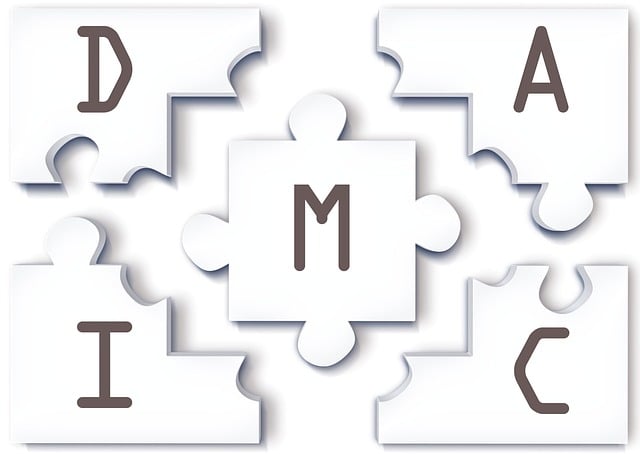
A successful Six Sigma team begins with a well-defined structure where each member understands their role and responsibilities. This clarity is vital for navigating the complex DMAIC (Define, Measure, Analyze, Improve, Control) process, which forms the backbone of Six Sigma projects. When setting up your team, the first step is to differentiate between key roles: project champions, team leaders, and subject matter experts.
The Project Champion acts as the driving force behind the initiative, ensuring alignment with business goals and securing resources. They provide strategic direction and act as a liaison between the team and senior management. Team Leaders are responsible for day-to-day operations, task allocation, and progress tracking. Their role involves keeping the project on track, managing timelines, and fostering open communication. Subject Matter Experts (SMEs) bring specialized knowledge in specific areas, such as data analysis or process engineering. They provide insights, interpret findings, and offer solutions based on their expertise.
Defining these roles clearly establishes a framework for collaboration. For instance, during the Measure phase of DMAIC, the team leader coordinates data collection while SMEs analyze trends and identify key performance indicators (KPIs). Setting precise KPIs is essential to gauge project success and guide decision-making. Equally important is troubleshooting during the Analyze stage, where a diverse team approach can help uncover root causes. By combining their unique perspectives, champions, leaders, and SMEs can effectively employ DMAIC within the broader Six Sigma framework to achieve substantial improvements in quality and efficiency.
If you’re considering Six Sigma or DMAIC for your organization, it’s crucial to understand how these methods fit into a comprehensive quality management strategy. Reach out to us at root cause analysis training online for expert guidance on navigating these processes, from setting KPIs to troubleshooting and ensuring long-term success.
Implement DMAIC Process: A Structured Approach to Problem Solving

Foster Continuous Learning: Enhance Skills Through Training and Collaboration

Creating a successful Six Sigma team requires fostering a culture of continuous learning and improvement. In the world of Six Sigma DMAIC Process, enhancing skills through training and collaboration is not just beneficial but essential. This involves several key strategies tailored to each phase of the DMAIC cycle—Define, Measure, Analyze, Improve, and Control (DMAIC).
During the Define stage, team members should undergo comprehensive training in project management, statistical analysis, and process mapping. This equips them with the tools to clearly define the project’s target and scope, ensuring every team member understands the KPI examples for Six Sigma projects relevant to their roles. For instance, a manufacturing team might focus on reducing defects per unit or improving cycle times. In quality control, DMAIC is particularly effective. By applying these principles, teams can identify root causes of issues and set measurable goals using well-defined metrics.
The Analyze phase benefits significantly from collaborative learning. Team members should work together to analyze data, interpret results, and identify opportunities for improvement. This could involve training in advanced statistical methods or data visualization techniques, like those offered by our brand, to uncover hidden patterns and trends. For example, a retail team might use data visualization for process improvement to track customer journey metrics, identifying pain points that contribute to high cart abandonment rates.
Throughout the DMAIC project, continuous learning ensures teams remain agile and adaptable. Regular training sessions and knowledge-sharing meetings help keep skills sharp and foster innovation. This proactive approach not only enhances project outcomes but also contributes to a culture where every team member is empowered to drive process improvement initiatives independently.
In summation, creating a successful Six Sigma team hinges on three key pillars: defining roles with clear responsibilities, implementing the DMAIC Process for structured problem solving, and fostering continuous learning through training and collaboration. By establishing these foundations, teams can harness their collective expertise, adhere to systematic methodologies, and continuously improve processes, ultimately driving organizational excellence. The Six Sigma DMAIC Process serves as a proven framework, guiding efforts from definition of the problem to measurement, analysis, improvement, and control. Embracing this approach ensures that each step is meticulously executed, leading to significant and sustained results.