
The Six Sigma DMAIC Process is a structured framework for achieving process excellence by defining goals, measuring performance, analyzing root causes, improving processes, and controlling outcomes. This method requires diverse skill sets, robust data analysis, and continuous improvement to drive significant enhancements in quality and efficiency. Effective implementation leads to sustained improvements, as demonstrated by a 25% efficiency increase in a manufacturing facility.
In today’s competitive business landscape, establishing a high-performing Six Sigma team is paramount for driving process improvements and delivering exceptional value. However, forming an effective team presents a significant challenge, as it requires a blend of technical expertise, leadership, and a deep understanding of the DMAIC Process. This article delves into the art of cultivating a successful Six Sigma team, offering actionable strategies to harness the power of the DMAIC framework—Define, Measure, Analyze, Improve, Control—for sustainable transformation. By mastering these principles, organizations can unlock their full potential, fostering an environment where data-driven decision-making and continuous enhancement thrive.
- Define Project Goals Using Six Sigma DMAIC Process
- Assemble Skilled & Diverse Team Members
- Implement Data Collection & Analysis Techniques
- Drive Continuous Improvement Post-Implementation
Define Project Goals Using Six Sigma DMAIC Process
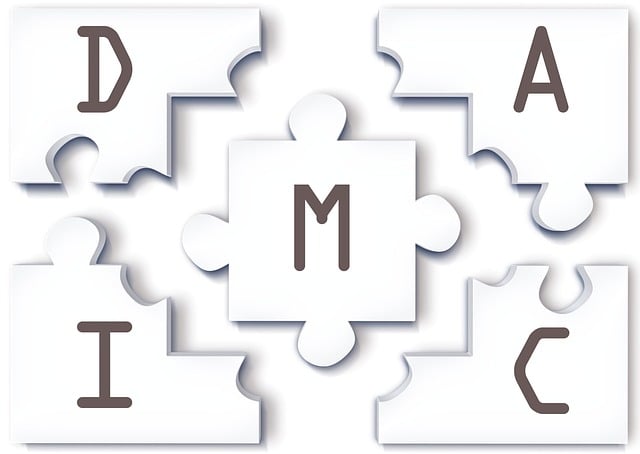
Creating a successful Six Sigma team requires a meticulous approach to defining and achieving project goals, utilizing the DMAIC process as a guiding framework. Each phase—Define, Measure, Analyze, Improve, Control—is crucial in navigating the journey towards process excellence. In the Define stage, teams must clearly articulate the project’s objectives, aligning them with organizational strategy. This involves understanding the customer’s needs and identifying the root causes of issues through comprehensive data collection. For instance, a manufacturing company aiming to reduce product defects would define its target as “Achieve less than 1% defect rate in final products.”
The Measure phase, a cornerstone of Six Sigma DMAIC, entails establishing Key Performance Indicators (KPIs) that quantify process performance. These metrics provide a baseline for comparison and help track progress throughout the project. For our manufacturing example, KPIs could include cycle time, scrap rates, and customer satisfaction scores. Accurate data collection and analysis during this stage enable teams to make informed decisions and set realistic improvement targets.
As the project progresses into Analyze and Improve, similarities emerge between Six Sigma DMAIC methods. Root cause analysis techniques, such as fishbone diagrams or pareto charts, are employed to uncover underlying factors contributing to defects. For instance, a root cause might be identified as inconsistent supplier quality. The Improve phase then focuses on implementing effective solutions, such as process re-engineering or new equipment, to address these causes. During this critical control phase of DMAIC implementation, teams must ensure that changes are sustainable and properly monitored.
Upon successful completion of the Control phase, where processes are stabilized and optimized, organizations can measure the impact of their Six Sigma initiatives against predefined KPIs. By consistently tracking these metrics over time, companies can demonstrate tangible improvements and continue to drive process excellence through ongoing process mapping for continuous improvement. Engaging with experts in this field, such as our team at Process Mapping for Continuous Improvement, can provide valuable insights and ensure a well-structured DMAIC rollout, ultimately fostering a culture of high-quality and efficient operations.
Assemble Skilled & Diverse Team Members

Building a successful Six Sigma team begins with assembling a skilled and diverse group of individuals who bring a wealth of knowledge and perspectives to the table. One of the key aspects in this process is understanding the various roles within the DMAIC framework (Define, Measure, Analyze, Improve, Control) and ensuring your team encompasses these skills. Each phase demands unique expertise, from defining the problem and gathering data (Measure) to identifying root causes (Analyze) and implementing solutions (Improve). For instance, a cross-functional team comprising statisticians, process engineers, quality assurance specialists, and domain experts can effectively tackle complex issues in manufacturing or service industries.
The diversity within your team should extend beyond technical skills. Including members with different cultural backgrounds, genders, and age groups fosters a richer exchange of ideas and promotes innovative thinking during the Six Sigma DMAIC Process. This variety ensures a broader range of perspectives when identifying process bottlenecks and potential improvements. For example, a study by McKinsey (2015) revealed that companies with more diverse leadership teams were 25% more likely to outperform their peers.
Managing resources effectively is crucial for successful DMAIC projects. This includes allocating time, budget, and human capital appropriately across each phase. Skilled team members can accelerate the analysis and improvement phases, especially when leveraging data analytics tools and techniques. The Six Sigma methodology encourages a data-driven approach, where insights from data analysis guide decision-making throughout the project. By combining these skills with cross-functional expertise, your team can efficiently navigate challenges, troubleshoot issues like process variations or data inconsistencies, and ultimately drive significant improvements in processes and quality standards.
When troubleshooting during DMAIC, it’s essential to identify the root cause before implementing solutions. For instance, if a process step consistently produces defects (a “Y” in the XY plot), instead of merely reducing defect rates, investigate why this step fails. Is it due to operator error, equipment malfunction, or inadequate training? Addressing these underlying issues ensures sustainable improvements and prevents future problems. Visit us at choosing between Six Sigma and DMAIC for a comprehensive comparison and expert guidance tailored to your organization’s needs.
Implement Data Collection & Analysis Techniques

Building a successful Six Sigma team requires a structured approach, with a strong emphasis on data collection and analysis techniques. The DMAIC process is the cornerstone of this methodology, guiding teams through Define, Measure, Analyze, Improve, and Control phases to prevent defects and variations effectively. By implementing robust data-driven practices, teams can enhance their problem-solving capabilities significantly.
Central to this strategy is the 5 Whys analysis, a powerful technique that encourages teams to delve deeper into the root causes of issues. This method, which involves asking “why” repeatedly until the fundamental cause is revealed, fosters critical thinking and ensures that surface-level solutions are addressed appropriately. For instance, if a production line experiences frequent stoppages, asking “why” five times might uncover inadequate maintenance procedures or operator fatigue, rather than simply fixing minor symptoms. This approach not only enhances the effectiveness of problem-solving but also cultivates a culture of continuous improvement within the team.
Moreover, teams should employ advanced statistical methods and data visualization tools to gain insights from collected data. By analyzing trends, identifying outliers, and creating meaningful dashboards, Six Sigma practitioners can make informed decisions with greater precision. For example, using historical data, a manufacturing team might predict potential production bottlenecks in advance, allowing them to implement preventive measures. This proactive stance not only minimizes defects but also optimizes the entire process, ultimately driving business success.
In terms of practical advice, fostering open communication and cross-functional collaboration is paramount. Encouraging team members to share data insights, participate in 5 Whys discussions, and propose innovative solutions creates an environment conducive to collective learning. Regular training sessions on data analysis tools and problem-solving techniques can further empower the team. By combining these strategies with a commitment to the Six Sigma DMAIC Process, organizations can build high-performing teams capable of driving significant and sustainable improvements. Give us a call to learn more about how to conduct a 5 Whys analysis effectively and unlock the full potential of your Six Sigma initiatives.
Drive Continuous Improvement Post-Implementation

Creating a successful Six Sigma team involves more than just implementing the DMAIC process; it requires a strategic approach to drive continuous improvement post-implementation. This phase is critical as it ensures that the gains made during the Define, Measure, Analyze, Improve, and Control (DMAIC) stages are sustained and translated into long-term organizational success. One of the key aspects in achieving this is preventing defects and variations, which can easily creep back into processes if not properly addressed.
Common challenges in DMAIC implementation often arise from inadequate root cause analysis or failure to address all contributing factors. For instance, a team might focus intensively on improving a specific step in a process, but if upstream or downstream activities are not optimized, the overall effect may be limited. Using DMAIC 1-3 times throughout project execution—from defining project scope to controlling outcomes—helps teams identify and mitigate these challenges proactively. A practical example involves a manufacturing facility that employed Six Sigma to streamline its production lines. By applying DMAIC during each phase of production, they not only reduced defects but also optimized work processes, leading to a 25% increase in overall efficiency within the first year.
Post-implementation, it’s crucial for teams to maintain a culture of continuous learning and improvement. This includes regularly reviewing process performance metrics and conducting periodic DMAIC audits to ensure sustained compliance with quality standards. Find us at applying DMAIC to improve processes exactly once—a strategy that has proven effective in numerous industries—by focusing on data-driven decision-making and fostering a collaborative environment where ideas are freely shared and tested. By adhering to these principles, organizations can prevent defects and variations from recurring, ensuring long-term process stability and sustained operational excellence.
By seamlessly integrating the Six Sigma DMAIC Process into project management, organizations can cultivate high-performing teams capable of achieving exceptional results. Defining clear project goals is paramount, serving as the foundation for focused efforts. Assembling a skilled and diverse team ensures a mix of expertise and perspectives, enhancing problem-solving capabilities. Implementing robust data collection and analysis techniques enables informed decision-making, rooted in empirical evidence. Post-implementation, driving continuous improvement solidifies long-term success, fostering a culture of excellence. Embracing these strategies equips teams to navigate complexities, achieve significant process improvements, and deliver outstanding business outcomes, establishing a proven framework for Six Sigma excellence.